
See anatomy in 3D, not 2D
Students examine organs, systems, and structures from every angle, at any magnification, without a cadaver lab.
VR Labs · Healthcare
Anatomy in 3D. Physiological systems you can walk through. Clinical and nursing skills you can rehearse safely and repeatedly. iXRLabs brings virtual reality (VR) to medical and nursing programmes worldwide - two tracks, one platform, the 7thi AI tutor in every module.
Recognised by Meta · ISO Certified · 10+ years in EdTech
Why VR
Students examine organs, systems, and structures from every angle, at any magnification, without a cadaver lab.
Repeatable procedural practice before bedside. Mistakes are learning opportunities, not patient risks.
Students who learn systems in VR arrive at clinical rotations with stronger spatial understanding and better recall.
Every module captures competence data. Faculty see concept mastery, not just completion.
Evidence base: the University of Louisville's evaluation of immersive VR for physiology teaching - conducted with iXRLabs simulations - is published in an American Physiological Society journal.
The medical track
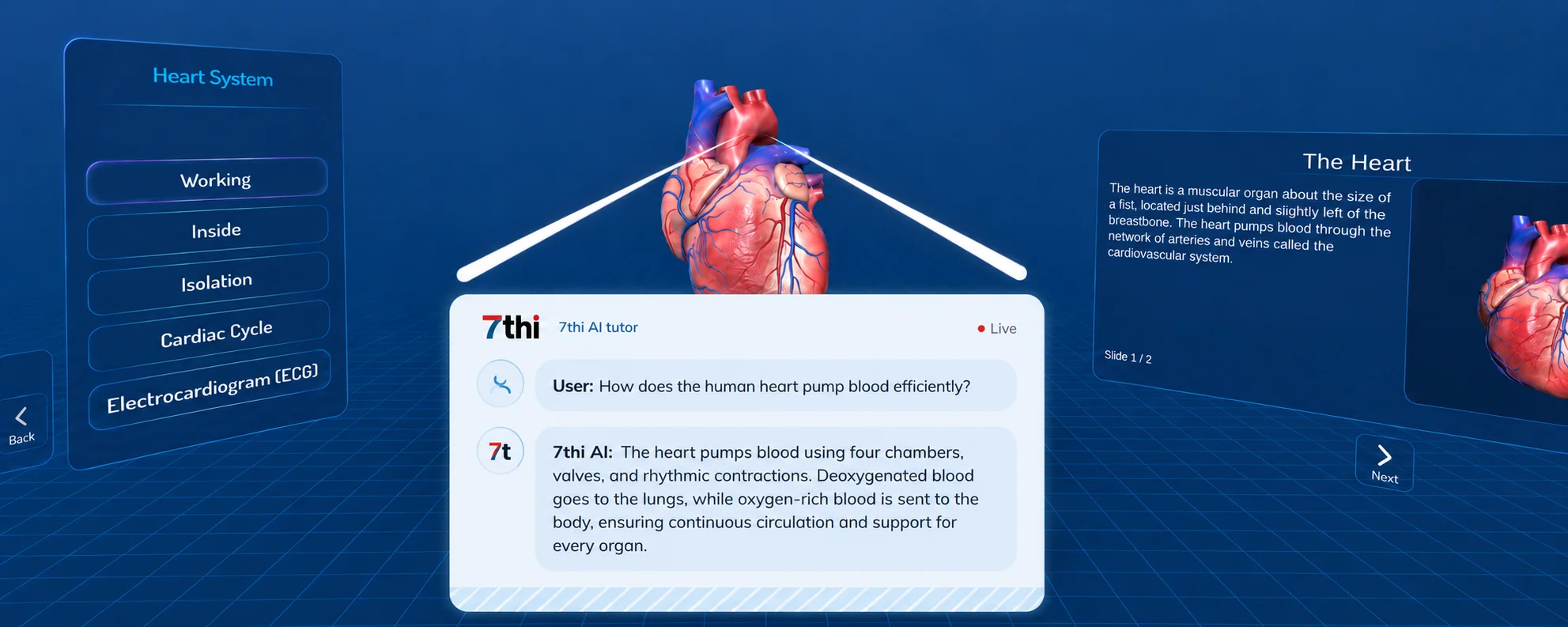
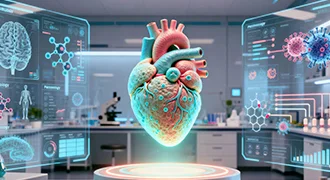
Manipulable, life-size anatomical systems. Heart, lungs, brain, musculoskeletal. Rotate, section, zoom.

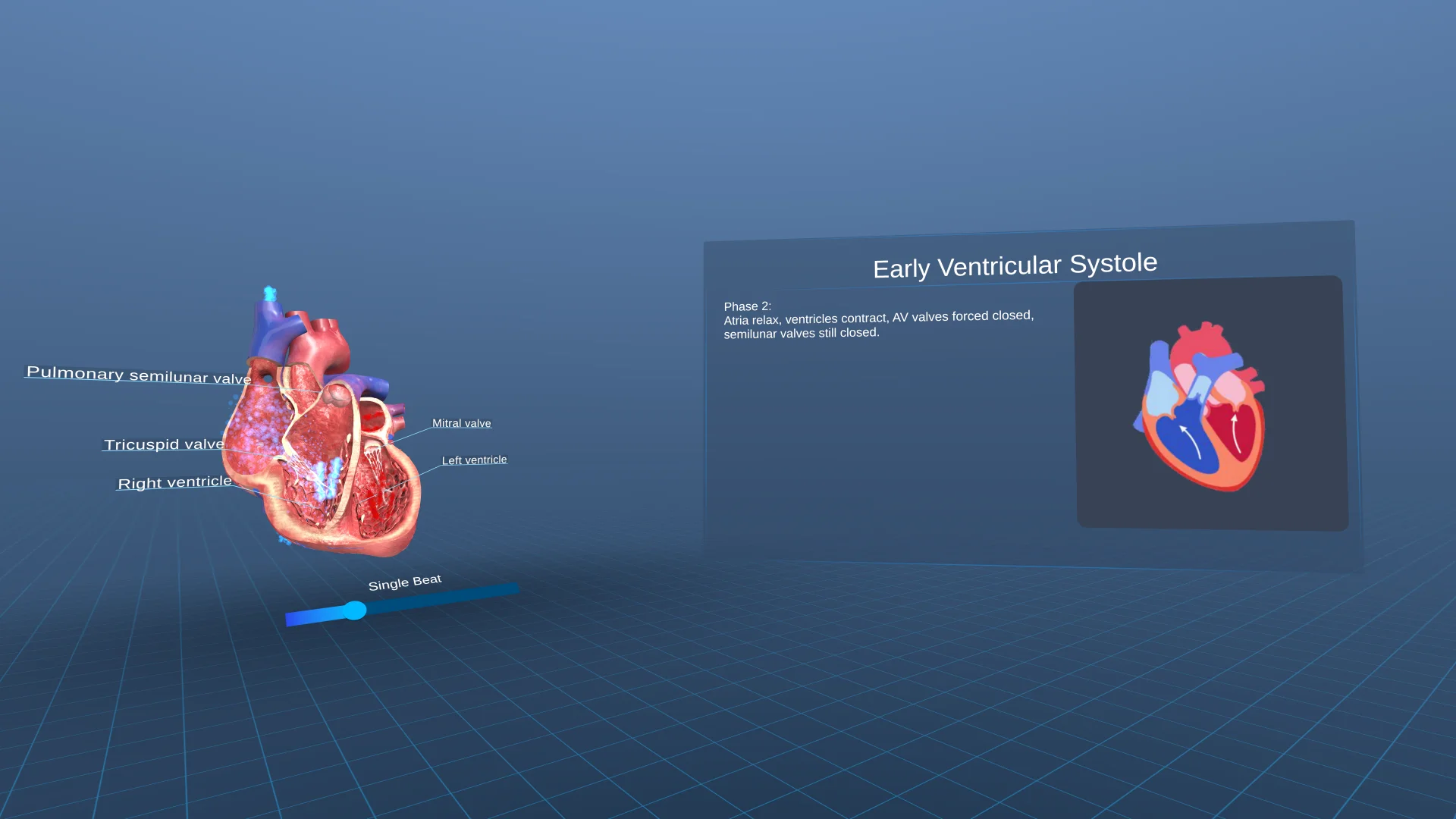
Dynamic systems showing processes in motion. Cardiac cycle, respiratory exchange, neural transmission.
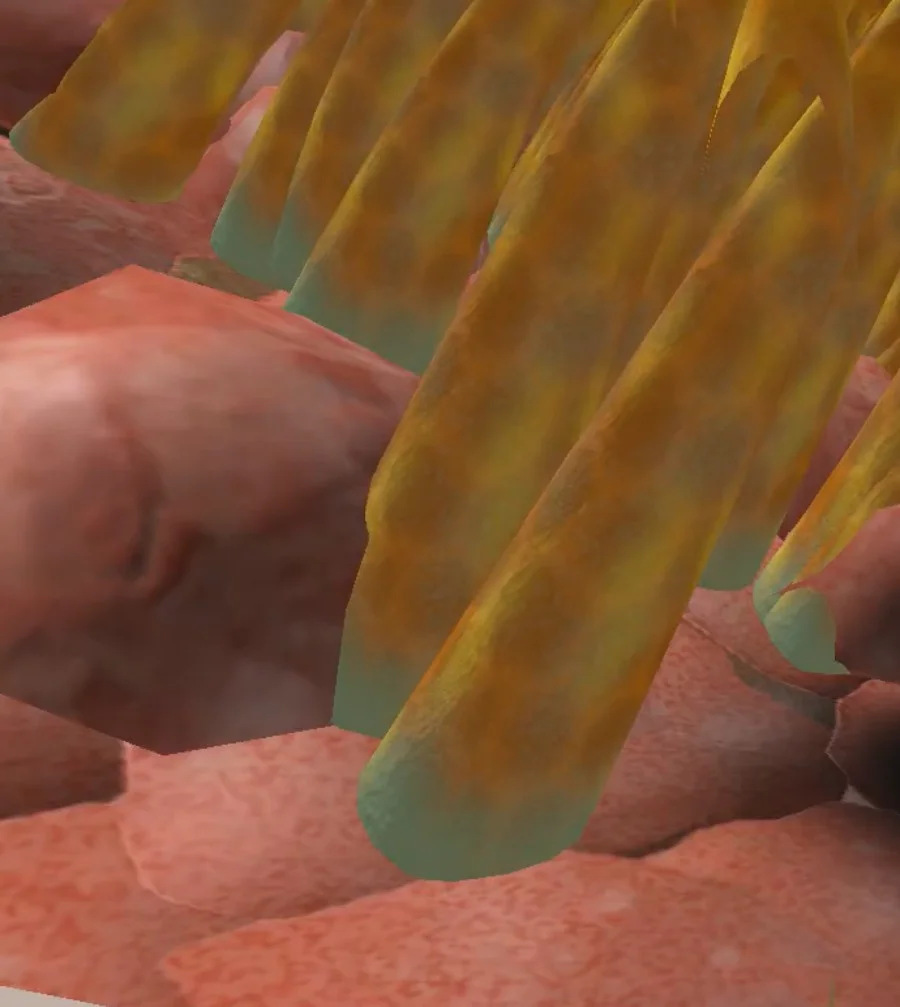
Step-by-step procedural walk-throughs with decision points and assessment.

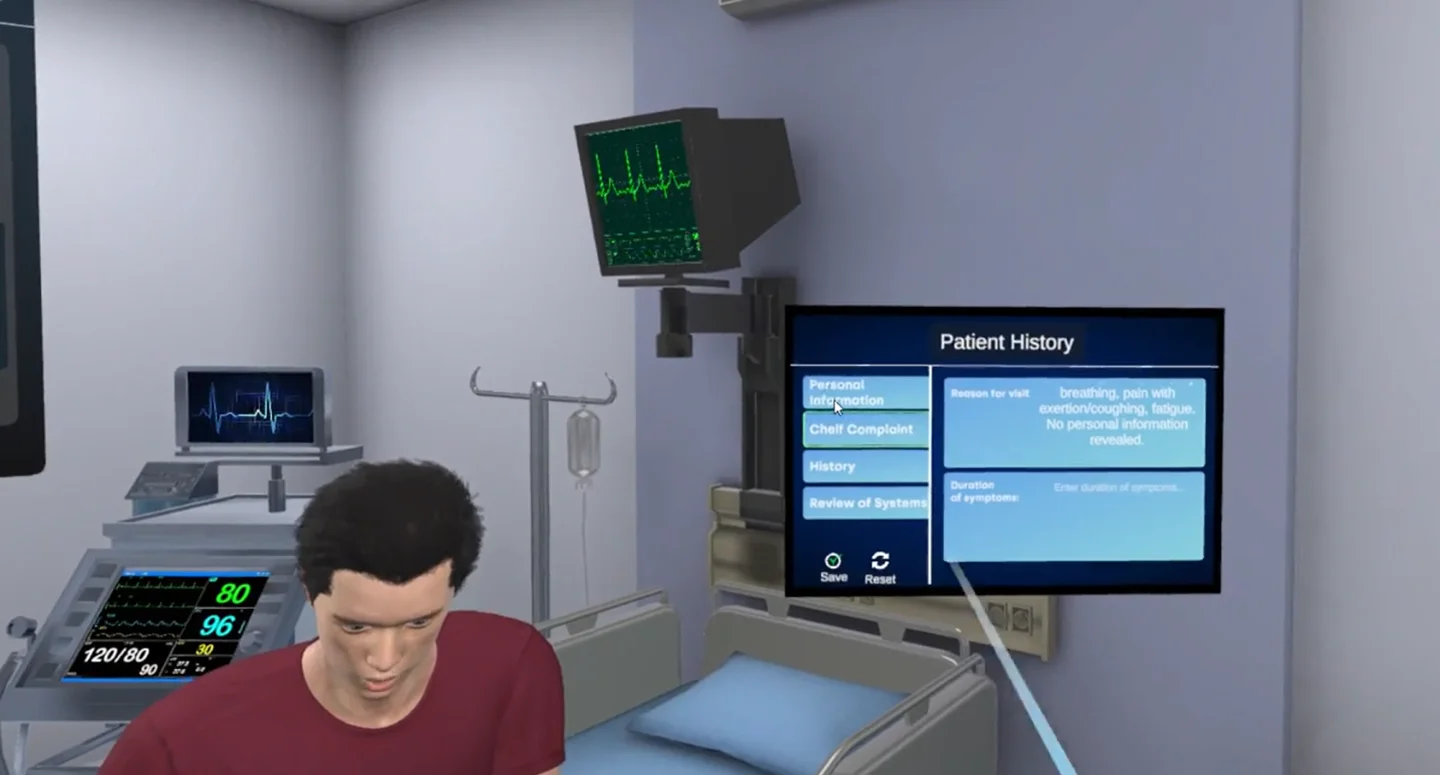
A Sample
The nursing track
The nursing track lets students practise clinical skills and patient communication in a safe, repeatable environment - building competence and confidence before placements and OSCEs.
Anatomy, patient safety, vital signs, hand hygiene, and infection control - the groundwork for safe practice.
Injections, cannulation, wound care, and medication administration, rehearsed step by step with feedback.
Deteriorating-patient scenarios, emergency response, and clinical decision-making under realistic pressure.
Communication and consent scenarios that build empathy, clarity, and confidence with patients and families.
Meet 7thi
7thi inside medical modules answers clinical questions, scaffolds procedural steps, and adapts to each student's mastery level. Faculty configure the depth: foundation-year basics or final-year clinical complexity.
Who it's for
Pre-clinical, para-clinical, and clinical modules mapped to your MBBS, MD, or equivalent curriculum.
A full nursing track: foundation skills, technical proficiency, advanced practice, and patient communication.
Jump to the nursing trackTraining and upskilling modules for clinical staff, delivered on headsets or browsers with no IT overhead.
Standards
Every medical module is aligned to recognised medical education frameworks. We work with your faculty to verify syllabus alignment before deployment.
Request a syllabus map for your institutionCommon questions
For procurement, IT, and pedagogy questions, our team is one demo away.
Talk to us3D anatomy (heart, brain, lungs, musculoskeletal, and more), physiological system simulations (cardiac cycle, respiratory exchange, neural transmission), and clinical procedure training (patient examination, history taking, clinical communication). The library grows every quarter.
Yes. Modules map to pre-clinical, para-clinical, and clinical stages of undergraduate and postgraduate medical curricula. We verify alignment with your faculty before deployment.
No - it complements them. VR gives students unlimited access to 3D anatomy before and after cadaver sessions, so they arrive at the lab already oriented and spend physical lab time on higher-order learning.
A pilot can be live in two weeks. Full deployment including LMS integration and faculty training typically takes 4–8 weeks.
7thi is a subject-aware AI tutor inside every module. It answers clinical questions, scaffolds procedural steps, and adapts to each student's mastery. Faculty configure depth, terminology, and when 7thi intervenes.
In practice
Explore other disciplines
Tailored to your medical or nursing curriculum, your cohort, and your clinical-training needs.