
















shape image
shape image
shape image Science

Virtual Clinical Lab for Medical Education

team image

We have 20k+ customers world-wide

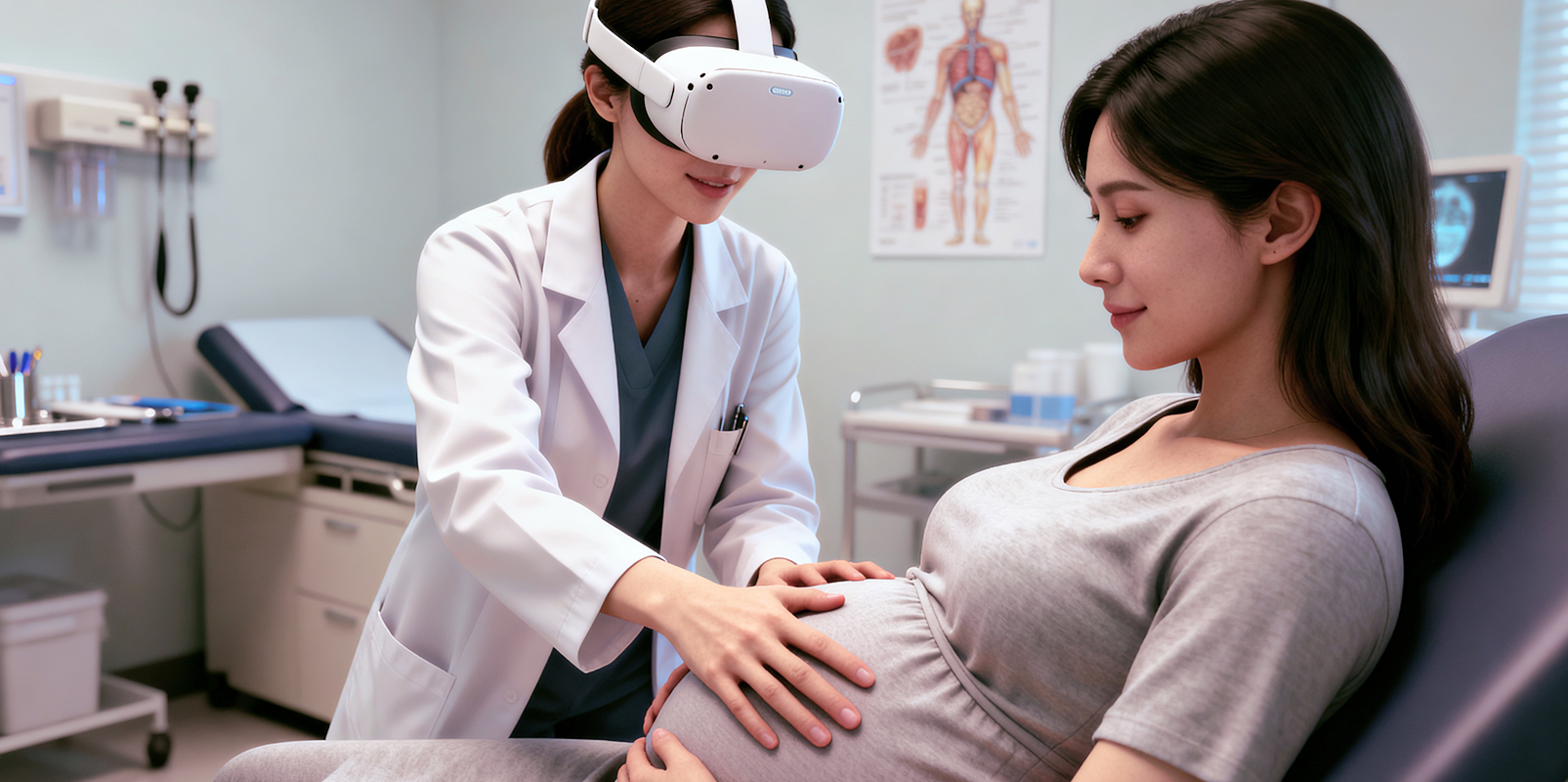
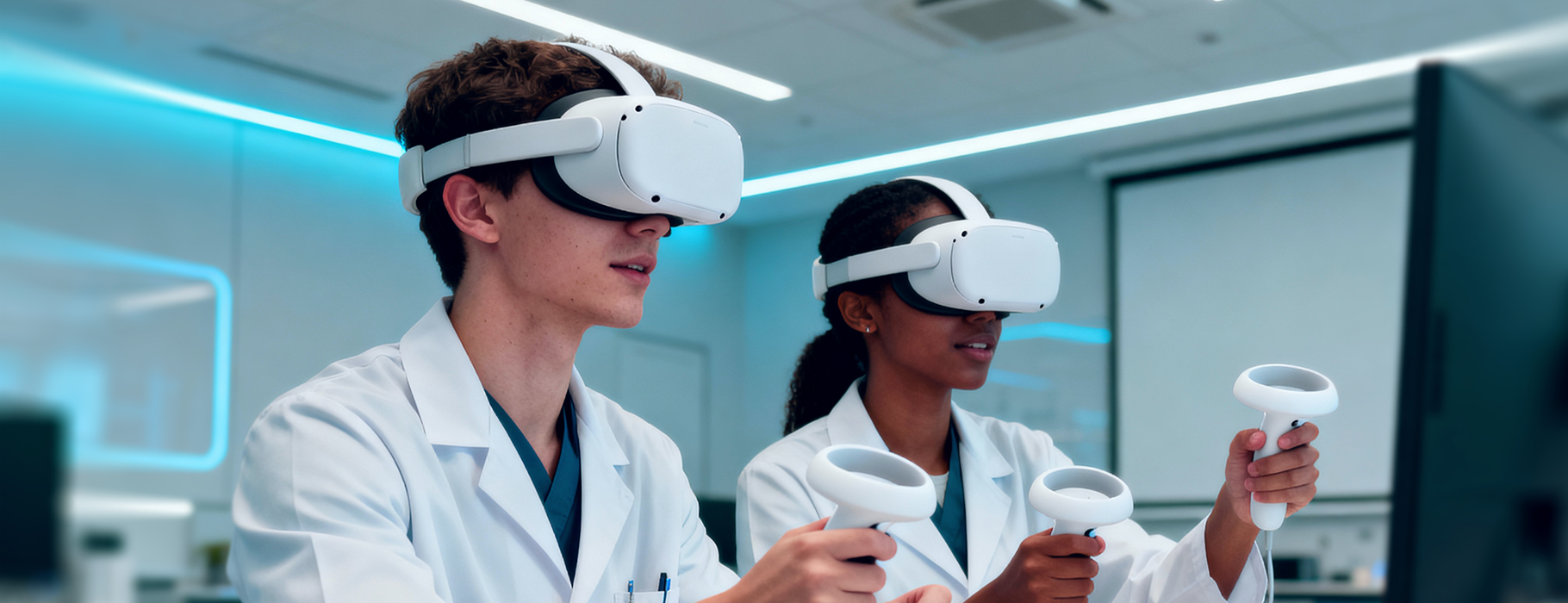
Step into the clinical environment with iXR’s VR modules. From surgery and pediatrics to obstetrics and medicine, students can practice procedures, diagnose cases and engage with patient scenarios in a safe, repeatable and AI-guided setting.
Trusted by global medical universities.

gallery image
IIT Kharagpur
National Institute of Ayurveda
Govt. Engineering College, Bikaner
Govt. College Kota
Meera Girls College, Udaipur
Samrat Prithviraj Chauhan Govt. College
Dunger College Bikaner
Bhamashah Technohub
IIT Delhi
Queen's University
Augusta Technical College
University of Louisville
Durban University of Technology
Symbiosis Institute of Technology
Lincoln College KSA
Cumbria Youth Alliance
image

Why VR is a Game-Changer for Clinical Training?

image

82%

Colleges using iXR’s Clinical VR labs report improved diagnostic accuracy

Clinical education demands more than theory it requires real-world practice, decision-making and confidence. Traditional labs and limited patient exposure often fall short. iXR’s Clinical VR modules allow students to diagnose, treat and perform procedures in safe, immersive simulations, ensuring they gain experience without risk to patients. With AI-guided feedback, learners build clinical judgment faster and more effectively.

Beyond Clinical: Expanding Medical Learning Horizons

Pre-Clinical Sciences

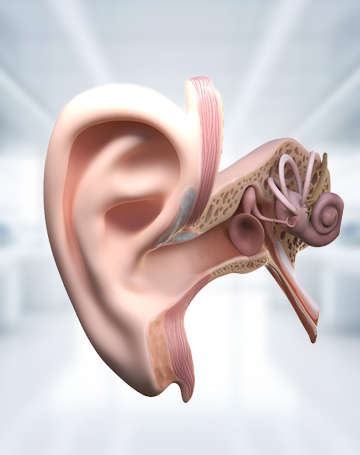
Build a strong foundation in Anatomy, Physiology and Biochemistry with interactive 3D models and safe virtual labs that make complex concepts clear.

Learn More

Para-Clinical Sciences

Master Pathology, Pharmacology and Microbiology by visualizing disease progression, simulating drug mechanisms and practicing diagnostic processes.

Learn More
shape image
shape image
image

How do I diagnose this patient based on the symptoms shown?

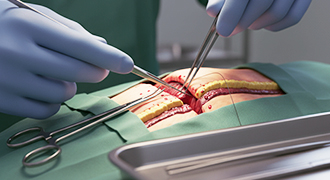
Can you guide me through the steps of a surgical procedure?

What’s the best way to differentiate between two similar conditions?

How does drug interaction affect this patient’s case?

7th-i in Clinical

7th-i, iXR’s proprietary AI assistant, elevates clinical training by acting as an always-available mentor inside VR. Whether diagnosing virtual patients, rehearsing surgical procedures, or handling emergency scenarios, 7th-i provides step-by-step guidance, adaptive learning pathways and real-time feedback. This AI+VR synergy helps students develop sharper clinical judgment, confidence in decision-making and readiness for real-world practice.

Immersive VR Labs for Para-Clinical Sciences

Bridge the gap between theory and practice in Pathology, Pharmacology and Microbiology. With iXR’s VR and AI-powered modules, students can visualize disease progression, simulate drug mechanisms and safely explore microbial processes—building the diagnostic and therapeutic foundation required for clinical excellence.

Patient Case Simulations

Experience real-life scenarios with virtual patients in safe, repeatable environments.

  • icon image Diagnose conditions based on presented symptoms and test results
  • icon image Practice differential diagnosis with AI-guided support
  • icon image Build clinical reasoning and decision-making skills
  • icon image Safe trial-and-error learning without patient risk
Procedural Training

Rehearse critical procedures in VR with step-by-step AI assistance.

  • icon image Perform surgical walkthroughs across general surgery and specialties
  • icon image Practice obstetrics and pediatrics procedures with adaptive feedback
  • icon image Learn emergency protocols like CPR and trauma management
  • icon image Unlimited repetition for mastery without resource constraints
Clinical Skills Development

Sharpen practical skills through immersive and measurable training.

  • icon image Interact with diagnostic tools (ECG, imaging, clinical exams) virtually
  • icon image Explore treatment pathways from consultation to care delivery
  • icon image Gain confidence in communication and bedside manner with AI role-play
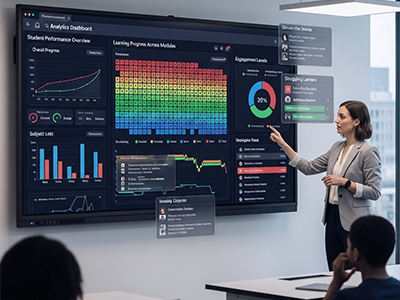
  • icon image Track progress and competency through real-time analytics
image

Module text Will apear here...

faster concept clarity

40%

higher retention

2.5x

more lab efficiency

65%

engagement boost

3x

shape

Start Your VR Clinical Journey with iXR

Step into lifelike clinical scenarios with iXR Labs. Diagnose, treat and practice procedures in immersive VR labs—building real-world skills with zero risk.

The reasons why you should choose us

10+

Years of EdTech & Immersive Learning Expertise

25k+

Immersive Learning Sessions Delivered

28+

Countries Using Our AI-Powered Virtual Reality

10+

Awards & Recognitions for Innovation in Higher Education

image Client’s Feedback

What our university partners say

See how iXR Labs’ AI-powered Virtual Reality is transforming classrooms and improving learning outcomes across the globe.

icon

Meta
Recognized

20+ Universities

& Institutions Onboarded

“I have seen a number of VR experiences. I feel that iXR’s is the most realistic compared to the others ….and has a lot more detail.”

Melanie Hart LinkedIn Associate Dean University of Alabama at Birmingham, USA

“This is probably a 15-year dream of mine for us to be able to move into VR and AI and all that stuff and I'm so happy. There's finally a company that understands the importance of actually adding engineering and science in that frame.”

Kim Gaines LinkedIn Instructor Augusta Technical College, USA

“The fact that you are integrating generative AI in that respect, this is quite visionary and quite progressive in a way.”

Eleni Petraki LinkedIn Associate Dean University of Canberra Australia

“I think this is the future of teaching. For me, it's getting more and more clear....because it gives you real access to everything in detail. What I saw from your demo, I think that kind of plugs the gap in learning that can happen very easily if you don't use such a tool, right?”

Aamir Ahmed LinkedIn Professor University of Stuttgart, Germany

“It looks interesting.. I did like the jet engine I thought that was the x-ray vision I thought was a really good idea because you've got to be able to see things and get that holistic perspective and think...From what I've seen so far, it looks very interesting very realistic and I can see how it could be used in a broader educational environment like the University.”

Tim Jackson LinkedIn Senior Lecturer & Course Director Canterbury Christ Church University United Kingdom

“I thought VR was going towards gaming and it kind of is, but really… VR is way better for training. VR is so good for training and simulation and there's not a field that can't benefit from it.”

Caleb Allen LinkedIn VR specialist Augusta Technical College, Augusta, USA

“Especially for the Engineering students, it is a really good opportunity to see the real product in the industry. Usually when you go for the site visit, you will only be able to see the parts outside. You won't be able to go near to the equipment, to have a look at the equipment. Plus, the equipment is always all covered. These modules are very interesting! Especially, for example, the Jet Engine demo you showed me, where you have the X - ray view so that students can see how it is assembled.”

Nicole Gui LinkedIn Lecturer, School of Chemistry and Chemical Engineering Queen's University Belfast UK

“I think this is where education is going to go. It's just a question of whether it's in the next 3-5 years or 10-15 years.”

Ramanathan Subramanian LinkedIn Associate Professor University of Canberra, Australia

“I think there's enormous value in your product. The connection between book learning and the actual industry products is a critical step and I believe your approach to that is really strong. I think it can play a very positive role. For example, when you mentioned the Brayton cycle in the jet engine, it’s not always the students' favorite part to go through, but being able to actually see it in action and understand the machinery involved can make a huge difference. This approach can be incredibly helpful and useful. I really like all of these aspects.”

Nels Madsen LinkedIn Professor Emeritus, Mechanical Engineering Auburn University, USA

“I think what you have is incredible, especially as we move further into the technological phase. This is going to be super useful in education. The way you’ve developed it is already great and the ability to customize it makes it even better.”

Maria Wilcox LinkedIn AMTS Program manager University of Maine at Augusta, USA

“It was great! In fact, it met my expectations perfectly. I often find that many AI tools and technologies entering academics don’t fully understand the problem statement. But when I saw your demo, I was impressed that you’ve really understood the finer details of what’s needed. The key requirement is that these modules should cover what we can’t fully teach in the classroom and you’ve addressed that. For example, we can allocate an hour or so for students to visit the VR lab and learn concepts that aren't easily covered in traditional settings.”

Prashant Pawar LinkedIn Professor SVERI's College of Engineering, India

“In Mechanical engineering hands-on experiences are really important. We try our best to provide these experiences for our students, but it’s quite limited. We don’t always have the physical demonstrations, though we do have fluid transfer systems, machine design components and materials. But, you know, it’s still limited. So, this VR technology can really help by allowing students to look at actual systems and perform demonstrations.”

Heeijin Cho LinkedIn Professor University of Nevada-Las Vegas, USA

“I think it can be very useful. As I mentioned, I didn’t see the 3D image during the demo, but I can imagine how incredible it would be to view the equipment in 3D. That would be a great learning experience for students. It’s much quicker to show them this in a virtual setting than taking them on a bus to a construction site. It would certainly save time and provide a far better experience.
I definitely see the benefits. If it can be tailored to the specific environment we work in, which you mentioned is possible...I believe it could be really beneficial. Well done!”

Jan Wium LinkedIn HOD Department of Civil Engineering Northrise University, South Africa

“I really enjoyed it because I’ve had experience with VR glasses, but only in gaming. You see, it's mostly being sold for gaming, but I’ve been a big proponent of promoting VR in education because I see it as one of the best ways for students to learn. The way you’ve done the substation and transformer simulations is quite impressive.
A lot of students understand the formulas and operations, but they struggle to visualize how the magnetic fields work and what’s happening for the transformer to operate. This is going to help them a lot. I’m sure that after going through this training, they’ll never forget how a transformer works and operates.”

Dr. Dickson Chembe LinkedIn Head of Department University of Namibia, Namibia

“Students LOVED the simulations and we are very grateful for the opportunity to have these physiology simulations available to us for our ongoing research projects on physiology education!”

Daniela Terson LinkedIn Professor University of Louisville School of Medicine, USA

“Whoever has done this, has done a really excellent job.”

Detina Zalli LinkedIn Associate Professor University of Cambridge, UK

“What came to mind while I was looking at the content, was that it wasn’t flashy, but it was realistic and lifelike, which is key. The demonstrations that I saw, like the electrical one—looked good. I know very little about electrical engineering, so it was impressive and for someone who knows more about that content, they would be even more impressed. My point is that, just from the layout, it’s clear that the ability to manipulate different components within the electrical system is very helpful to students. Seeing the consequences of different changes and what happens as a result is very valuable. I think that was very exciting.”

Greg Brooks LinkedIn Director Genesee Community College, USA

“Actually, since I come from an electrical background, I could understand the substation aspect. That’s really valuable because, as you mentioned, not everyone has access to the interior of a substation. That’s a very valid point. You can give students a better understanding of it through this.”

Dr. Rajesh Joseph Abraham LinkedIn Associate Professor Indian Institute of Space Science and Technology, India

“I'm so frustrated that we limit our vision to two dimensions. It's really good to find a way to break out of this reduced vision of reality, you know.”

Michael Flach LinkedIn Professor Universität Innsbruck, Austria

“This is literally a boon for the people who want to visualise. I used to record the videos when I am performing or using the Total Station and all those and I record them and show them as a demo to my students. You are doing a marvelous job. I appreciate you and I want to thank you for helping the core branch societies.”

Imran Shaik LinkedIn Head of the Department Methodist College of Engineering & Technology, India

Frequently asked question!

Answers to the most common questions universities ask before adopting iXR Labs’ AI-powered Virtual Reality platform.

It's a digital learning environment where students can perform experiments, simulations and industrial tours using immersive VR modules powered by AI personalization.

Yes. All modules are mapped to Indian higher education syllabi, ensuring compliance with AICTE/UGC frameworks for engineering, sciences, medical and nursing courses.

Our engineering and medical VR modules are mapped to ABET engineering outcomes and AAMC clinical competencies, making them directly relevant to U.S. higher education standards.

Absolutely. Our platform supports NHS-aligned simulations for nursing and medicine and integrates seamlessly into blended and online learning structures across the UK.

We align with competency-based learning frameworks widely adopted in Canada and support bilingual delivery (English & French) for universities in Quebec and beyond.

Yes. Our VR simulations support AQF's learning outcome levels and align with ANMAC guidelines for nursing and healthcare training.

Our modules run on widely available VR headsets and can also be accessed through desktop or mobile for hybrid delivery.

Universities typically see a 52% cost reduction in labs, a 250% increase in engagement and measurable improvements in employability outcomes.

Let’s Shape the Future of Learning Together

Whether you’re an educator, institution, or partner, we’d love to show you how immersive learning can transform education.